Type “news whatutalkingboutwillis” into Google and the results can feel oddly confusing. You’ll see a mix of blog posts, explainers, and a website with a name that sounds like a punchline from an old sitcom. Some pages treat it like a trending news source. Others try to define it as if it were a new media brand.
But here’s the thing. The phrase itself isn’t new, and the “news” behind it isn’t what many people expect. What you’re seeing is a collision between pop culture memory, a real website with that name, and the way search engines surface content that matches curiosity rather than clarity.
This article breaks it down carefully. What the phrase actually refers to, where it came from, who’s using it now, and why it keeps appearing in search results that look more mysterious than they really are.
What “News WhatUTalkingBoutWillis” Actually Refers To
At first glance, the phrase sounds like the name of a media outlet. Add the word “news” in front of it, and it almost reads like a publication or a digital newsroom brand. That assumption is what drives a lot of searches.
In reality, “What U Talking Bout Willis” is the name of a website that publishes a mix of lifestyle, entertainment, and general-interest articles. The site includes sections labeled as “Latest News,” but those posts don’t operate like traditional journalism. Instead, they range from home tips and recipes to entertainment pieces and light commentary.
So what does “news whatutalkingboutwillis” mean in practice? It’s less a defined topic and more a search phrase people use when they’re trying to understand what the site is or what kind of content it produces. The keyword has grown because people are curious, not because it points to a single major news story.
The Origin of the Phrase: A Sitcom Line That Stuck
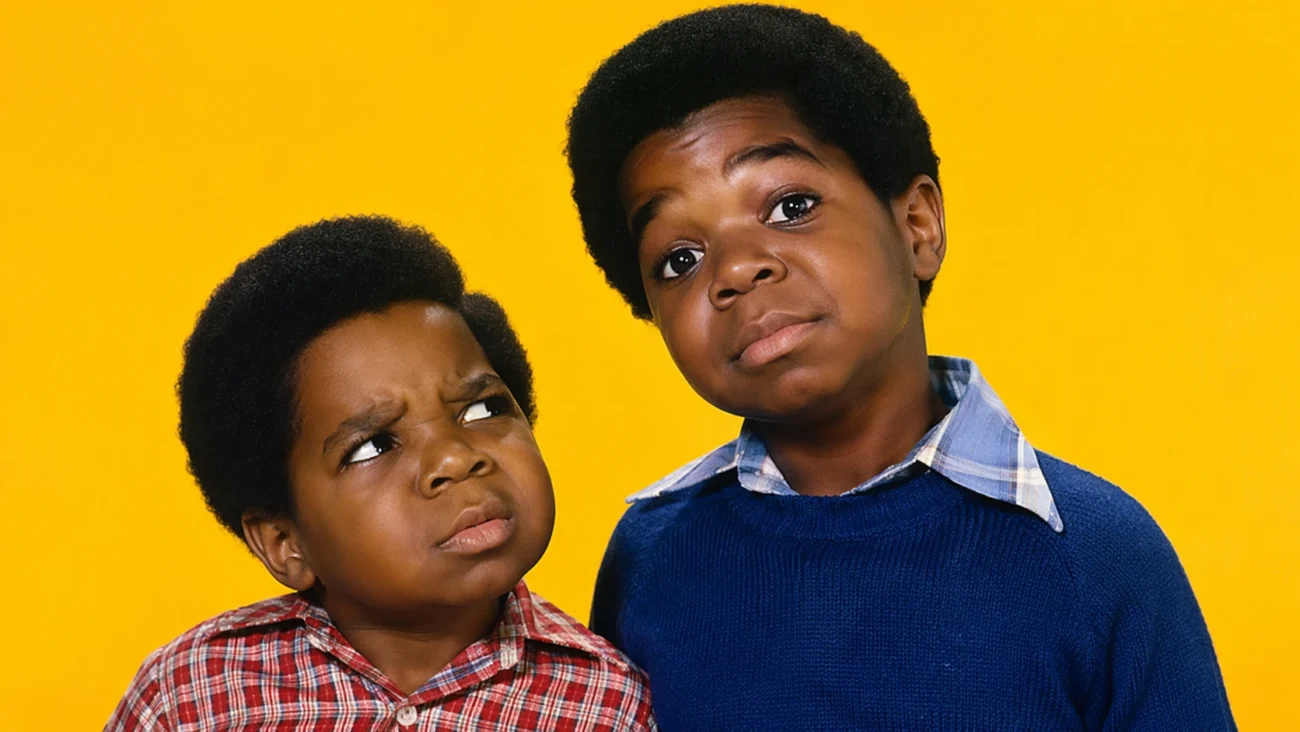
To understand why the name feels familiar, you have to go back to late 1970s television. The phrase “Whatchu talkin’ ’bout, Willis?” was made famous by Gary Coleman, who played Arnold Jackson on the sitcom Diff’rent Strokes. The show aired from 1978 to 1986 and became a staple of American pop culture.
Arnold would deliver the line to his older brother Willis, played by Todd Bridges, often with a skeptical look and perfect comedic timing. It wasn’t just a throwaway joke. It became one of the most recognizable catchphrases in television history.
That’s why the phrase still carries weight decades later. Even people who haven’t watched the show often recognize the line. It’s been quoted, parodied, and referenced across generations. The familiarity gives it a kind of built-in attention whenever it appears in modern contexts, including website names.
The Website Behind the Keyword
The site “What U Talking Bout Willis” is a real, active platform. It presents itself as a lifestyle and entertainment blog, with content covering a wide range of topics. According to its About page, the site is associated with Becky Knight, who describes it as a space for sharing helpful ideas, personal insights, and engaging stories.
Scroll through the homepage and you’ll see articles that don’t fit neatly into one category. Some focus on home improvement, others on cooking, travel, or entertainment trends. There’s also a “Latest News” section, but it doesn’t function like a newsroom. Instead, it acts as a catch-all for recent posts.
That said, the site isn’t pretending to be something it’s not. It doesn’t claim to be a major news organization. The confusion comes from how the keyword is framed in search results, not from the site’s own positioning.
What the “News” Section Really Looks Like
If you’re expecting breaking headlines or investigative reporting, the “news” label on the site might feel misleading. Recent posts include topics like kitchen upgrades, online tools, tax tips, and entertainment updates. Some articles touch on broader themes, but they don’t follow traditional reporting standards.
The tone is closer to a general-interest blog than a news desk. That doesn’t make the content useless, but it does change how it should be understood. Readers looking for hard news may feel off track, while those looking for practical tips or light reading may find what they need.
So what does this actually mean? The word “news” in this context is flexible. It signals recent content rather than verified reporting. That distinction matters, especially for readers trying to assess credibility.
Why This Keyword Keeps Appearing in Search Results
The rise of “news whatutalkingboutwillis” as a search phrase isn’t driven by a single viral event. Instead, it’s shaped by how search engines respond to user curiosity. When people encounter a phrase that feels familiar but unclear, they search it. When enough people do that, content creators notice and start writing about it.
Here’s where it gets interesting. Many of the pages ranking for this keyword are not original reporting. They are explainers trying to answer the same question: what is this phrase and why is it showing up?
This creates a feedback loop. The more explainers appear, the more the keyword looks like a trend. But the underlying reality hasn’t changed. It’s still a mix of a blog name and a classic TV catchphrase.
The Role of SEO in Shaping the Topic
Search engine optimization plays a big role in how this phrase spreads. It’s catchy, recognizable, and slightly confusing. That combination makes it ideal for clicks. Writers and publishers know that if people are searching for it, there’s an opportunity to rank for it.
The result is a cluster of articles that look similar. Many follow the same structure, repeating basic information about the phrase and the website. Some go further, trying to frame it as a broader cultural or media trend.
Not everyone agrees with that framing. There’s limited evidence that the phrase is trending beyond search behavior. It’s not dominating social media, and it hasn’t been tied to a major news event. The attention is real, but it’s concentrated within search results.
Is It a News Brand, a Blog, or Something Else?
This is where readers often get stuck. The phrase sounds like a brand, but the content doesn’t match what most people expect from a news outlet. At the same time, the site itself is consistent with what it claims to be: a lifestyle and entertainment blog.
So where does that leave “news whatutalkingboutwillis”? It sits in an in-between space. It’s not a traditional media brand, but it’s also not just a random phrase. It’s a recognizable name attached to a functioning website, amplified by search behavior.
There’s a catch, though. The way the keyword is used can make it seem more important than it is. That’s why context matters. Understanding the origin and the site helps cut through the confusion.
Why People Keep Clicking on It
Curiosity drives most of the traffic. The phrase is unusual enough to stand out, but familiar enough to feel worth exploring. Add the word “news,” and it creates the impression that there’s something current or urgent behind it.
But when users click through, they often find something different. Instead of a breaking story, they see a mix of blog-style content. That gap between expectation and reality is what keeps the search cycle going.
Some readers leave quickly. Others stay and explore the site. Either way, the keyword continues to generate attention because it raises a simple question that isn’t immediately answered.
How to Read the Topic Without Getting Misled
If you approach “news whatutalkingboutwillis” as a literal news category, you’ll likely be disappointed. If you treat it as a keyword shaped by search patterns, it makes more sense.
That doesn’t mean the content behind it lacks value. It just means it should be evaluated on its own terms. The site offers a mix of useful and light content, but it doesn’t replace traditional news sources.
Understanding that distinction helps readers navigate similar situations. Not every keyword that includes the word “news” points to journalism. Sometimes it reflects how people search, not how information is produced.
Frequently Asked Questions
What is “news whatutalkingboutwillis”?
It’s a search phrase people use to understand a website called “What U Talking Bout Willis” and its content. The term combines the site’s name with the word “news,” even though the site itself is not a traditional news outlet.
Is What U Talking Bout Willis a real website?
Yes, it’s an active website that publishes lifestyle, entertainment, and general-interest articles. It presents itself as a blog rather than a formal media organization.
Where did “Whatchu talkin’ ’bout, Willis?” come from?
The phrase comes from the sitcom Diff’rent Strokes, where Gary Coleman’s character Arnold Jackson used it as a catchphrase when speaking to his brother Willis.
Does the site publish real news?
The site includes a “Latest News” section, but its content is closer to blog posts and general updates rather than verified, traditional news reporting.
Why are there so many articles explaining this keyword?
Writers have noticed that people are searching for the phrase, so they create content to answer that curiosity. This has led to many similar explainer articles appearing in search results.
Is “news whatutalkingboutwillis” actually trending?
There’s no strong evidence of a broader cultural trend. The attention appears to come mainly from search engine activity rather than widespread public discussion.
Conclusion
The phrase “news whatutalkingboutwillis” looks more mysterious than it really is. Once you break it down, it’s a combination of three simple elements: a well-known TV catchphrase, a modern blog using that name, and a search pattern driven by curiosity.
The confusion comes from how those pieces overlap. A familiar phrase draws attention. A website gives it a current presence. Search engines amplify the connection by surfacing pages that try to explain it. The result feels bigger than the underlying reality.
That said, the situation offers a useful reminder about how online information works. Not every keyword reflects a major story. Sometimes it reflects the way people search, click, and try to make sense of what they see.
If you come across “news whatutalkingboutwillis” again, you’ll know what you’re looking at. Not a hidden media network or a viral news wave, but a small example of how culture, branding, and search behavior intersect in ways that aren’t always obvious at first glance.
